· 7 min read
Tourism PPP projects in Jordan: resorts, heritage sites and cable cars from Aqaba to Ajloun
Where Jordan’s tourism projects sit, from the Aqaba waterfront to the forests of Ajloun, and how a tourism company can enter them through a PPP program.
Tourism PPP projects in Jordan cover resorts and hotels on public land, visitor concessions at heritage and nature sites, cable cars, hot spring resorts, eco-lodges and youth camps, from the waterfront of Aqaba to the forests of Ajloun. The largest of them, Marsa Zayed, is valued at about $10 billion on the Aqaba waterfront, while most projects outside Aqaba are small enough to suit small PPPs and direct proposals. This post maps the projects in the Tourism Sector Guide, one of the 23 free sector guides on this site, and shows how a tourism company can enter them.
What tourism PPP projects does Jordan have?
Jordan’s tourism pipeline includes resorts, hotels, eco-lodges, cable cars, hot springs and museums from Ajloun to Aqaba. The Tourism Sector Guide lists 56 projects, led by a new waterfront district in Aqaba, a museum and pilgrims’ village at the Baptism Site, cable cars in Amman and Karak, and wellness resorts at the Dead Sea.
56
projects in the Tourism Sector Guide, one of the largest sectors in Jordan’s $86 billion pipeline
The Tourism Sector Guide names the flagship projects that lead the sector:
- 01Marsa Zayed, Aqaba. A mixed-use waterfront under a 30-year concession from the Aqaba Development Corporation, valued at about $10 billion over a 15-year plan.
- 02Abdali Convention Center, Amman. A design, build, finance and operate project for Jordan’s largest event complex, valued at about $1 billion and offered to investors.
- 03Bethany Village, Baptism Site. A Baptism Museum, a pilgrims’ village with a hotel and church, infrastructure and a green corridor, prepared for the 2030 bimillennial.
- 04Porto Dead Sea. A resort of hotel apartments, hotels and villas on the eastern shore of the Dead Sea.
- 05Ajloun Wellness Resort, Al-Jubb. A medical wellness resort opposite Ajloun Castle with lodges, a spa, a clinic, sports facilities and an organic garden.
- 06Amman Cable Car. An urban cable car with two routes from the Citadel, one to Jabal Al-Weibdeh and one to the Roman Theatre.
Jordan starts from a strong base. The country has seven UNESCO World Heritage Sites, from Petra and Wadi Rum to the Baptism Site and Umm al-Jimal, with the Dead Sea at the lowest point on land and the Red Sea coral reefs of Aqaba a few hours’ drive to the south.
Which tourism projects are anchored in Aqaba?
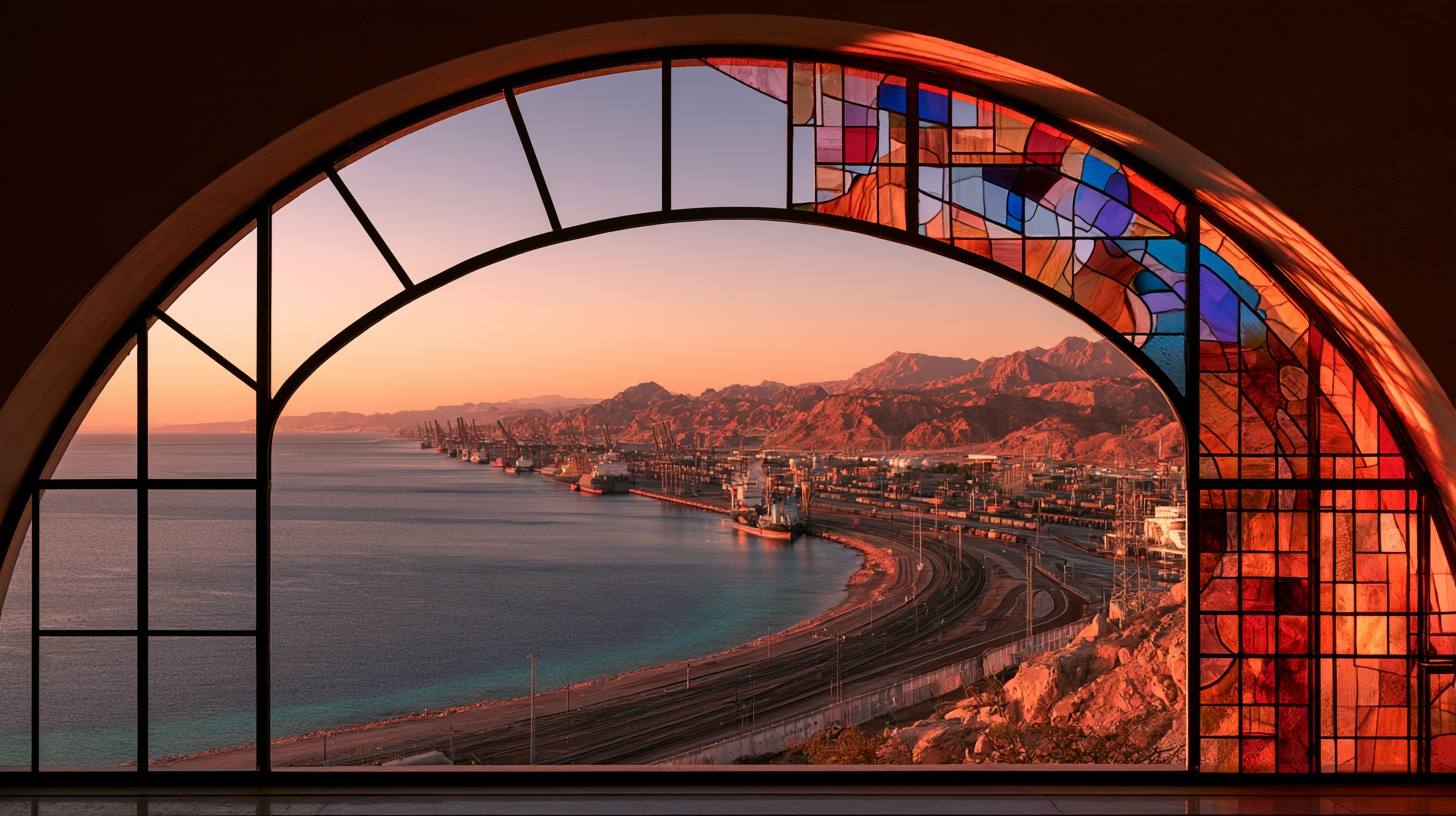
Aqaba holds the largest tourism projects in Jordan. Marsa Zayed alone is valued at about $10 billion on the waterfront of Aqaba, which also holds Al Matal, the hotel boulevard, Al Yamaniyeh beach and the youth camps of the south coast within the $46 billion of projects anchored in Aqaba.
$46B
of Jordan’s $86 billion of PPP and infrastructure projects are anchored in Aqaba, including the Marsa Zayed waterfront
Public authorities and development zones hold much of the land at the Dead Sea, in Aqaba and around Petra and Wadi Rum. The tourism and hospitality guidePDF proposes long leases and joint ventures on that land, in which the government contributes land, the company brings design, capital and operation, and both share in the value the destination creates.
Investors can also enter through the Aqaba Special Economic Zone and the development zones at the Dead Sea and Ajloun, with incentives under the Investment Environment Law. The Aqaba guidePDF sets out how organizations based in the city can launch a PPP program of their own.
How does a tourism PPP work in Jordan?
In a tourism PPP in Jordan, the government keeps ownership of the site, coastline or protected area, and a private company invests in the hotels, visitor centers and services around it and runs them under a long contract. The company earns income from rooms, tickets and services and shares revenue with the public owner.
The guide describes two main forms. At heritage and nature sites, visitor centers, transport, ticketing, lodging and services can be delivered as concessions in which the company invests, operates and shares revenue with the public owner, while the site itself stays protected under public control. On public land, hotels, resorts, eco-lodges and desert camps are developed and run under long leases and joint ventures.
Jordan’s history and landscapes cannot be copied, and their value grows as the world gains time to travel.
The public side has guides of its own. The heritage and antiquities guidePDF and the nature reserves guidePDF show how the institutions that guard these sites can launch PPP programs, and the starting guide explains how a PPP works from zero.
Can small tourism projects in Jordan be delivered as PPPs?
Yes. Small PPPs suit tourism in Jordan well, because many of the opportunities are lodges, camps, restaurants and attractions below $14.1 million that can be bundled into one tender under PPP Regulation No. 9 of 2024. Outside Aqaba the projects are smaller and spread across the country, from hot springs and eco-lodges to cable cars and youth camps.
$14.1M
the ceiling for small-scale PPPs under PPP Regulation No. 9 of 2024, which suits lodges, camps and attractions
The sector guide lists the openings: resorts, eco-lodges, chalets and restaurants from the hot springs of Afra and Wadi Bin Hammad to the Al-Sawan forest in Ajloun, and youth camps and villages in Ajloun, Salt, Shoubak, Al-Jafr and Aqaba that can be redeveloped as resorts, hostels and nature lodges.
A tourism research lab can test ideas within a season through pilots of about $100,000 each. The guide gives three examples: an AI visitor-flow system on one Petra trail, a solar-powered modular eco-lodge in Ajloun’s Al-Sawan forest, and a digital ticket and guide app for the Wadi Bin Hammad hot springs. The small PPPs page explains the method.

Can a tourism company propose its own project in Jordan?
Yes. A tourism company in Jordan can bring a direct proposal under Article 15 of PPP Law No. 19 of 2023 for a project it designs itself. The company protects the concept behind the project and keeps the right to match the best offer if the project goes to tender.
A tourism company knows which sites draw visitors but lack the lodging, transport or services to keep them longer. The sector guide gives examples: a visitor center and electric shuttle network for Wadi Rum, a wellness resort at an unlisted hot spring, a heritage trail with lodges linking the castles of Ajloun, Karak and Shoubak, or a digital ticketing and visitor management concession for national sites, financed and run by the company. The unsolicited proposals page sets out this route for each kind of organization.
How will AI, robotics and tokenization change tourism in Jordan?
AI, robotics and tokenization change how a destination in Jordan is planned, run and owned. AI forecasts arrivals at Petra, Wadi Rum and the Dead Sea and spreads visitors across sites and seasons, robotics builds lodges and cable car stations with a lighter touch, and tokenized stakes let residents and visitors own part of a resort.
The sector guide describes a shared destination platform that forecasts visitors, prices tickets and rooms and plans transport across Petra, Wadi Rum, Aqaba and the Dead Sea. Drones, laser scanners and robots map Petra, Jerash and the castles and help conservators repair stone with precision, and electric self-driving shuttles can link hotels, visitor centers and sites in Aqaba, Wadi Rum and the Dead Sea.
Tourism assets earn revenue every day from rooms, tickets and services, the steady cash flow that tokens represent well. A resort, eco-lodge or cable car in Jordan can sell tokenized stakes to residents, the diaspora, regional investors and visitors, and pay each holder as the revenue arrives. The tokenization page follows this idea across every kind of organization, and the Vision page sets it inside the infrastructure singularity.
How can a tourism company in Jordan start a PPP program?
A tourism or hospitality company in Jordan can start with six steps: a board mandate, a named team, a map of the pipeline, a shortlist of destinations, partners and a first pilot. The shortlist covers sites at the Dead Sea, in Aqaba, around Petra and Wadi Rum and elsewhere in Jordan where the company can add the most value.
The pipeline map covers the resorts, heritage sites and visitor projects in Jordan’s $86 billion pipeline, with early meetings with the ministries, authorities and development zones that hold them. The pilot is a first visitor concession, small-scale PPP or direct proposal, taken from idea to submission. The summary of all 96 guides brings the method together in one document, and the sector guides show the projects in each of Jordan’s sectors.