Skip to content
Jordan PPP
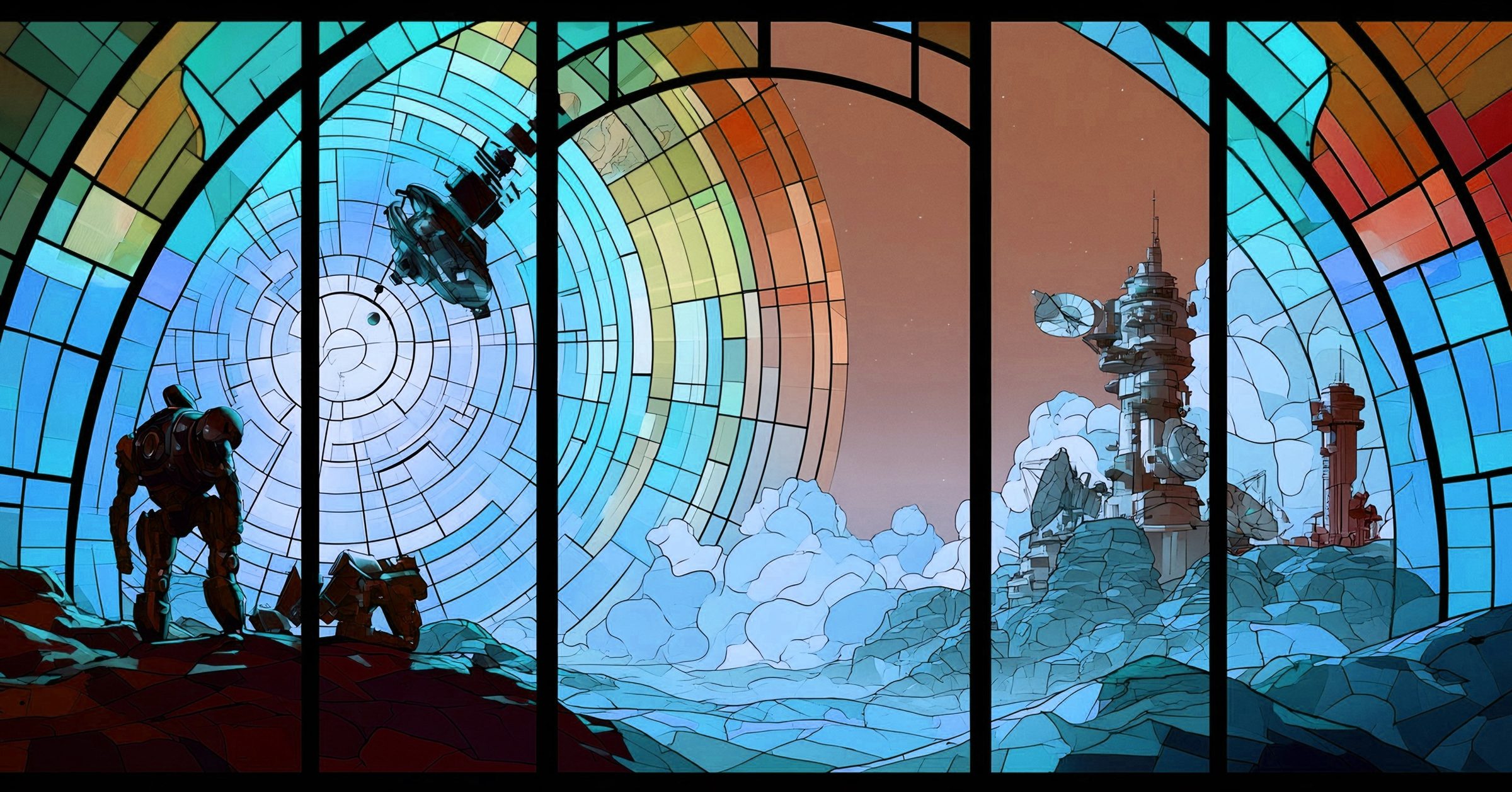
Stained-glass illustration in blue glass of a robot and towers at the dawn of the infrastructure singularity

Sector guide 19 of 22 · Version 1.1

Wind Power in Jordan

The highland winds that keep the grid turning after sunset.

Share
$186m
forward investment in its own projects
10
projects in this guide
3
in or linked to Aqaba

The sector today

Wind Power in Jordan

The southern highlands of Tafilah, Ma'an and Shobak are among the windiest places in the Levant. Jordan opened the Middle East's first utility-scale wind farm in Tafila in 2015, and by the end of 2024 the country had 621 MW of utility wind on the grid, beside 874 MW of utility solar.

Wind is the natural partner of solar. Turbines keep generating in the evening and at night, when panels stop, so a grid with both needs less storage and less gas. The 2025 to 2035 energy strategy calls for new solar and wind capacity to lift renewables to 40% of the electricity mix by 2035, with commercial green hydrogen from 2030.

The next round is far larger than the first. A 100 MW wind tender is being prepared with the EBRD, the UAE is funding a new farm in Ma'an, and Masdar is studying wind projects of 2,000 MW. This guide sets out where the sector stands, the projects in the Jordan PPP project register, and how wind feeds Jordan's path to the singularity.

621 MW
Utility-scale wind capacity connected in Jordan at the end of 2024, mostly in the southern highlands.
117 MW
Tafila Wind Farm, the Middle East's first utility-scale wind farm, in commercial operation since 2015.
2,000 MW
Wind projects Masdar is preparing in Jordan, with technical studies being finalized in June 2026.
40%
Renewable share of the electricity mix targeted by 2035 in the approved national energy strategy.

The singularity

Wind is the night shift of the singularity

The infrastructure singularity is the point where roads, grids, ports and water networks become one connected, intelligent system, built by robotics, run by artificial intelligence and financed by tokenization. Such a system has to run around the clock, and wind is the clean source that keeps working when the sun goes down.

Artificial intelligence
Forecasts wind hours ahead, steers each turbine out of its neighbours' wake and predicts gearbox and blade faults, so every farm produces more power at lower cost.
Robotics
Drones and crawling robots inspect and repair blades and towers, so maintenance needs fewer climbs and turbines spend less time stopped.
Tokenization
A wind farm earns steady revenue under a long power purchase agreement. Tokenized stakes let more investors share in each payment from NEPCO.
Fuels
Wind and solar together keep electrolysers running for more hours a day, cutting the cost of green hydrogen and ammonia made in Aqaba.
Compute
Data centers need power at night as well as by day. Wind with solar and storage lets Jordan offer clean compute around the clock.

Flagship projects

The projects that lead the sector

  • Pipeline · Mafraq

    Wind Power Generation Project (100 MW)

    A 100 MW wind farm to be offered to private developers on a build-own-operate basis, selling its power to NEPCO. The EBRD is supporting site assessment and a two-stage tender, and the project is offered at the Jordan-EU Investment Conference on November 19, 2026.

  • Awarded · Ma'an

    Ma'an 25 MW Wind Farm (Batn Al-Ghul)

    Five turbines at Batn Al-Ghul, fully funded by the UAE through Masdar. Samra Electric Power Company signed the EPC contract on August 2, 2026 and will operate the plant after handover.

  • Pipeline · Jordan and Aqaba

    Masdar Green Hydrogen (1 GW Wind + H2)

    Masdar signed a joint development agreement at COP28 in December 2023 for 1 GW of wind with potential battery storage, and a study for green hydrogen near Aqaba Port. In June 2026 the government said studies for 2,000 MW of wind were being finalized.

  • Pipeline · Aqaba

    H2 Global Energy Aqaba Green Ammonia

    An export plant for one million tonnes of green ammonia a year, powered by up to 5 GW of wind and solar in equal parts. The technical report was submitted in January 2025, with operation targeted for 2030.

  • Delivered · Tafilah

    Tafila Wind Farm (117 MW)

    The Middle East's first utility-scale wind farm, owned by Masdar, Tamasuk and APICORP. It produces about 350 GWh a year, enough for about 78,600 households, and is the reference for the private wind farms that followed.

Every project

10 projects in Jordan’s pipeline

Values in US dollars; * estimated where no figure has been published. Rows in grey sit in another sector and connect to this one.

ProjectLocationStageValue
Wind Power Generation Project (100 MW)Mafraq GovernoratePipeline$141m
Ma'an 25 MW Wind Farm (Batn Al-Ghul)Batn Al-GhulAwarded$45m*
Tafila Wind Farm (117 MW)TafilahDelivered$287m
H2 Global Energy Aqaba Green Ammonia (1 Mt/yr)AqabaPipeline$6.5bn
Aqaba-Amman Water Desalination & Conveyance Project (AAWDCP)Aqaba to AmmanAwarded$5.8bn
Masdar Green Hydrogen (1 GW Wind + H2)JordanPipeline$1.6bn*
Green Ammonia/Hydrogen Plant (United Energy Group, China)JordanPipeline$1.2bn
Al Mujib Pumped-Storage Hydropower DamWadi Al-MujibTendering$650m
Green Hydrogen Common Use Infrastructure (CUI)JordanPipeline$300m*
Battery Energy Storage System (100 MW / 4-Hour)Mafraq GovernoratePipeline$141m

AI, robotics and tokenization

What changes for wind power

Artificial intelligence

For wind power in Jordan, AI turns uncertain weather into bankable output. Models built on mast, lidar and satellite data predict a site's yield before a turbine is bought, forecast generation hours ahead for NEPCO and steer each turbine out of its neighbours' wake. In operation, AI reads vibration and temperature data to catch gearbox and blade faults weeks before they stop a machine.

What can be built

  • Yield prediction. Models that turn short measurement campaigns and satellite data into bankable energy estimates for Jordanian highland sites.
  • Wake steering. Software that angles turbines to cut the wake losses between them and raise a farm's total output.
  • Predictive maintenance. Vibration and temperature analytics that schedule repairs before a gearbox, bearing or blade fails.
  • Hybrid dispatch. One controller for wind, solar and batteries at the same site, so a hybrid plant delivers steady power to the grid or an electrolyser.
More on artificial intelligence

Robotics

Wind turbines are tall, remote and costly to stop, which makes them a natural place for robots. In Jordan's highlands, drones can inspect every blade of a farm in a day, crawling robots can repair blade edges worn by dust and sand without long climbs, and autonomous heavy transport can move large components from Aqaba port to hilltop sites more safely.

What can be built

  • Blade drones. Drones that photograph every blade, compare each image with the last survey and flag cracks and erosion for repair.
  • Repair crawlers. Robots that climb towers and fix blade edges and bolts, cutting downtime and the need for rope teams.
  • Autonomous logistics. Self-driving heavy transport that carries blades and tower sections from Aqaba port to the highlands.
  • Robotic foundations. Machines that drill, place reinforcement and pour turbine foundations with smaller crews on remote sites.
More on robotics

Tokenization

A wind farm earns a steady income from a long power purchase agreement with NEPCO, and its output is metered every minute. Tokenized stakes let more investors share in that income, from Jordanian savers to funds abroad. A hybrid wind and solar plant that feeds a green ammonia project in Aqaba could also tokenize the power it sells, giving buyers a traceable record of clean supply.

What can be built

  • Farm stakes. Tokens backed by an operating wind farm's power payments, distributed to holders as each payment is received.
  • Community wind. Tokenized shares in turbines near highland towns, so local residents own part of the farms around them.
  • Clean power records. Tokenized certificates that prove the wind origin of each kilowatt-hour sold to factories and fuel producers.
  • Development notes. Tokenized notes that fund measurement campaigns and early studies and convert into equity at financial close.
More on tokenization

Start small, or bring your own idea

Small PPPs and unsolicited proposals

Small PPPs and research labs

Small PPPs let wind start small and learn fast. A wind research lab could run three pilots of about $100,000 each: a lidar measurement campaign that publishes data on a new highland site, a small turbine paired with solar and a battery at a remote water pumping station, and drone inspection of an existing farm with AI fault detection. Proven results can then be bundled into tenders of projects below about US$14.1 million.

How it works

Unsolicited proposals under Article 15

A wind company can propose its own project under Article 15 of PPP Law No. 19 of 2023. Ideas include a hybrid wind and solar plant that supplies a water pumping station around the clock, wind for an industrial estate under a direct supply contract, the repowering of older turbines with larger machines, and a wind and battery plant that powers green hydrogen in Aqaba. The proposer keeps the right to match the best offer if the project goes to tender.

How it works

New industries

What the sector can create

  1. 01Hybrid green fuelsHydrogen, ammonia and methanol made from wind and solar together, so electrolysers in Aqaba run longer each day and fuels cost less.
  2. 02Turbine componentsTowers, foundations, nacelle assembly and spare parts made in Jordan's industrial estates for local farms and the region.
  3. 03Blade recyclingTurning retired blades into building materials and new composites, a service every wind market will need as the first farms age.
  4. 04Wind data servicesMeasurement, forecasting and digital twins of wind farms, sold to developers and grid operators across the Middle East.
  5. 05Heavy-lift logisticsSpecialist transport, cranes and installation crews that move blades and towers from Aqaba port to highland sites.
  6. 06Night-shift industryFactories, cold stores and data centers that run on wind at night and solar by day under direct supply contracts.

Opportunities

Where partners come in

Utility tenders
Prequalify for the 100 MW Mafraq wind tender and later rounds procured by the Ministry of Energy and Mineral Resources, alone or in consortiums.
Direct proposals
Propose a project under Article 15 of PPP Law No. 19 of 2023, such as wind for water pumping stations or public facilities.
Small-scale PPPs
Regulation No. 9 of 2024 allows small-scale PPPs below about US$14.1 million, which suits single turbines at public sites.
Hybrid projects
Partner on wind and solar plants that feed green ammonia and hydrogen in the Aqaba Special Economic Zone, with incentives under the Investment Environment Law.
Supply and services
Supply turbines, towers, cranes, inspection and maintenance to existing farms and to the 2,000 MW now being prepared.
Investment and ownership
Finance farms through infrastructure funds, development banks and tokenized stakes that open ownership to more investors.
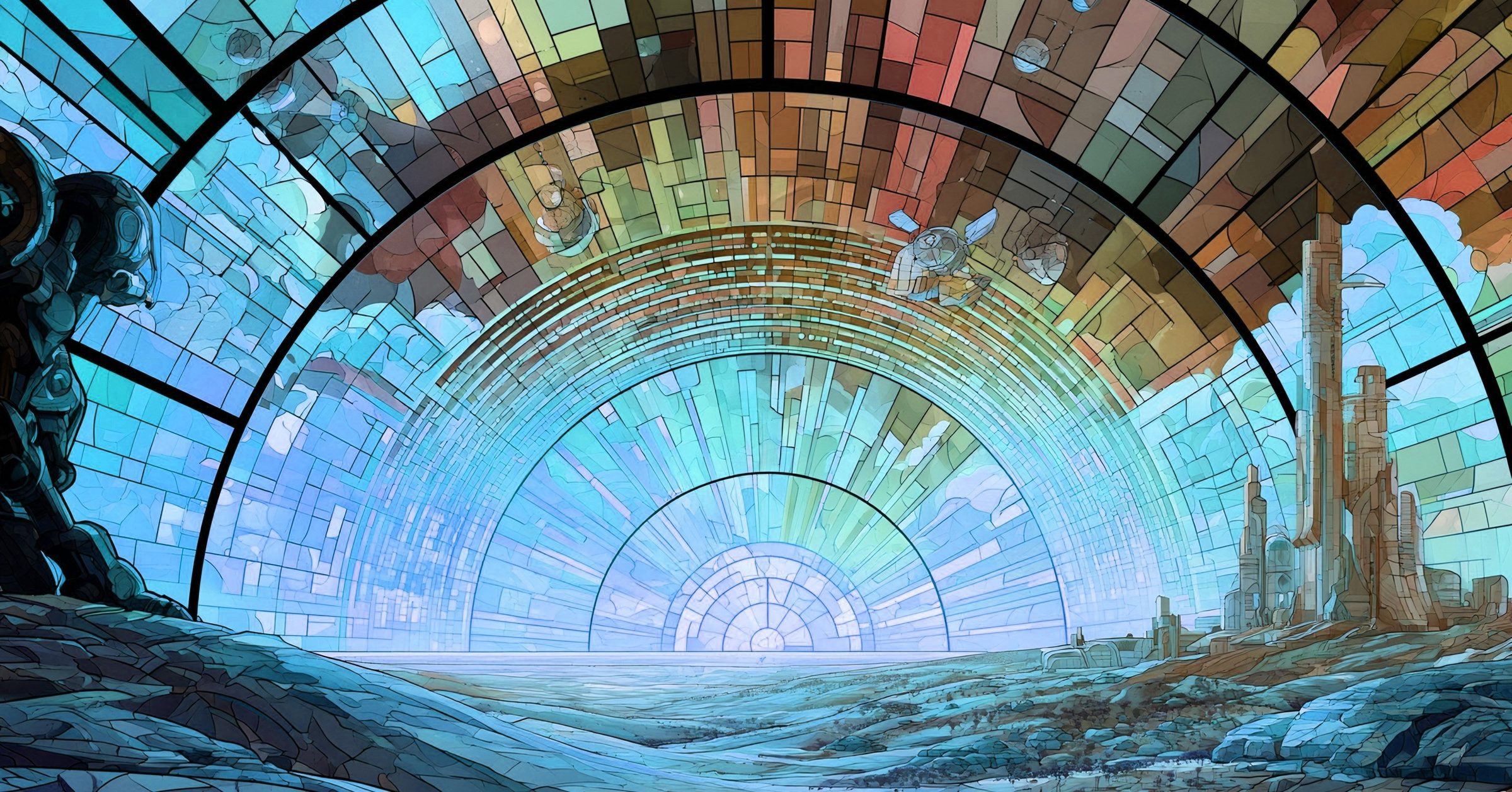
Stained-glass illustration in blue glass of a city of towers under a rising arch

The road to the singularity

  1. 2026The Ma'an farm is under contract; the 100 MW Mafraq project is offered to investors; studies for 2,000 MW of Masdar wind are finalized.
  2. 2030Renewables pass 30% of generation; gigawatt-scale wind with batteries is under construction; green hydrogen production begins.
  3. 2035The 40% target is met; wind and solar together power green ammonia exports from Aqaba.
  4. 2040AI runs every turbine as part of one national system, and robots carry out most inspection and repair.
  5. 2050Wind and sun supply Jordan's power around the clock, and the country exports fuels made from its weather.

Wind gives Jordan clean power after sunset, the missing half of a renewable grid. The projects in this guide are the first steps towards a country that runs its factories, water and compute on its own weather, day and night.

Guides for organizations

Launch a PPP program of your own

The guides closest to wind power, each showing one kind of organization how to launch a PPP program, with six first steps.

  • Economic sectors

    Energy Developers

    Your company launches a PPP program to develop solar, wind, storage, green hydrogen and grid projects as public-private partnerships (PPPs) and to power the water, transport and industrial projects around them.

  • Economic sectors

    Green Economy Companies

    Your company launches a PPP program to bring energy efficiency, building retrofits, electric mobility and other climate technologies into public-private partnership (PPP) projects and to finance them from the savings they produce.

  • Your fund launches an investment program that takes equity in public-private partnership (PPP) project companies in Jordan and the region, builds a platform for small-scale PPPs and backs the technology that runs them.

  • Operators and services

    Utilities and Operators

    Your company launches a PPP operations program to bid for operation and maintenance contracts and full concessions in water, power, transport, ports and waste, run with AI and robotics.

Also part of wind power

See every guide and sector on one map