Port of Aqaba PPP projects
How long concessions run the Port of Aqaba, Jordan’s only seaport, which terminals and dry ports come next, and where a company in Jordan can take part.
PPP projects at the Port of Aqaba include the container terminal, run by APM Terminals under a concession extended to 2046 with a US$242 million expansion to more than 1.7 million TEU, and the multipurpose port, run under a 30-year concession signed with AD Ports Group in February 2026. Next come the new bulk liquids terminal and the silica terminal, both tendering, a passenger terminal and dry ports in Ma’an and Mafraq, which private partners can bid for, supply, finance or propose under Jordan’s PPP Law No. 19 of 2023. This post sets out the concessions, the tenders and the first steps for a company.
What PPP projects are at the Port of Aqaba?
The Port of Aqaba is Jordan’s only seaport and its gateway to the Red Sea, and its terminals are run under long concessions with global operators. The container terminal and the multipurpose port are under way, two new terminals are tendering, and a passenger terminal and two inland dry ports are in the pipeline.
- 01Aqaba Container Terminal. Under way. APM Terminals’ concession and a US$242 million expansion that extends the term to 2046.
- 02Aqaba Multipurpose Port. Under way. A 30-year concession signed in February 2026 for a port of nine berths and a 2 km quay.
- 03New Bulk Liquids Terminal. Tendering. A single berth at the South Port for fuels, liquefied gas, ammonia and chemicals.
- 04Aqaba New Silica Terminal. Tendering. A terminal for silica, one of the minerals that leave Jordan through Aqaba.
- 05Aqaba New Port Passenger Terminal. Pipeline. A passenger terminal at the port, where ferries already cross the Gulf of Aqaba.
- 06Aqaba-Ma’an Dry Port and Mafraq Inland Port. Pipeline. Inland ports that carry the reach of the port across Jordan.
The Ports and Logistics Sector Guide covers 23 projects, 12 of them in or linked to Aqaba, from the freight railway and the border crossings to the LNG terminal and the LPG storage on the coast.
1m TEU
containers handled at Aqaba Container Terminal in 2025, up 22% on 2024
How do concessions work at the Port of Aqaba?
At the Port of Aqaba, a concession lets a private operator invest in a terminal, run it for decades and collect handling charges, storage fees or availability payments from the cargo it handles. The Aqaba Development Corporation offers these concessions, and the two largest terminals at the port already run this way with global operators.
APM Terminals has run Aqaba Container Terminal since 2006. The US$242 million expansion signed in October 2024 lifts capacity from about 1.3 million to more than 1.7 million TEU, extends the concession to 2046 and targets net-zero operations by 2040. The multipurpose port has capacity of about 11 million tonnes a year, and the joint venture that runs it is 70% owned by AD Ports Group and 30% by the Aqaba Development Corporation.
$242M
expansion of Aqaba Container Terminal, lifting capacity above 1.7 million TEU under a concession to 2046
The logistics and port companies guideDownload the guide describes the contract ladder a company can climb at a port like Aqaba: logistics services on PPP projects first, then operation contracts, then full concessions with equity in the project company. Each concession builds an operating record that qualifies the company for larger terminals across the region.
Which Port of Aqaba tenders are open or coming next?
Two terminals at the Port of Aqaba are tendering: the new bulk liquids terminal at the South Port and the Aqaba new silica terminal. The marine works tender for the bulk liquids terminal closes on December 16, 2026, and an operator will invest in its equipment. A passenger terminal at the new port is in the pipeline.
The bulk liquids terminal is a single berth for tankers of up to 160,000 deadweight tonnes, handling about 5 million tonnes a year of fuels, liquefied gas, ammonia and chemicals. Several sectors depend on it. The green hydrogen sector guide expects it to handle liquid ammonia from the hydrogen plants, and the oil, gas and power sector guide counts it beside Aqaba’s LNG terminal, oil and gas jetties and LPG storage.
Passengers add a second kind of traffic. Ferries carried 140,000 passengers and 42,000 trucks between Aqaba and Nuweiba in the first half of 2024, and the maritime and shipping companies guideDownload the guide proposes renewing ferry routes and their terminals under contracts in which a company supplies modern, lower-emission vessels and runs the service.
How will the Port of Aqaba connect to dry ports inland?
The Port of Aqaba will connect to dry ports in Ma’an and Mafraq and to logistics cities south of Amman, turning one port into a network across Jordan. The freight railway now under way links the port with the mines, and a branch of about 43 km will join it to the planned dry port in Ma’an.
The Aqaba-Ma’an Dry Port and Development Zone is planned on 4,000 dunums as a design, build, finance, operate and transfer project, with its master plan and studies due by the end of 2026 and a phased target of up to one million TEU. The Mafraq Inland Port, in the King Hussein Bin Talal Development Area near the Syrian border, was approved in January 2025, and its scope was widened to provide shipping and storage for Syria’s reconstruction. The Ma’an guideDownload the guide and the Mafraq guideDownload the guide cover the governorates where each one is planned.
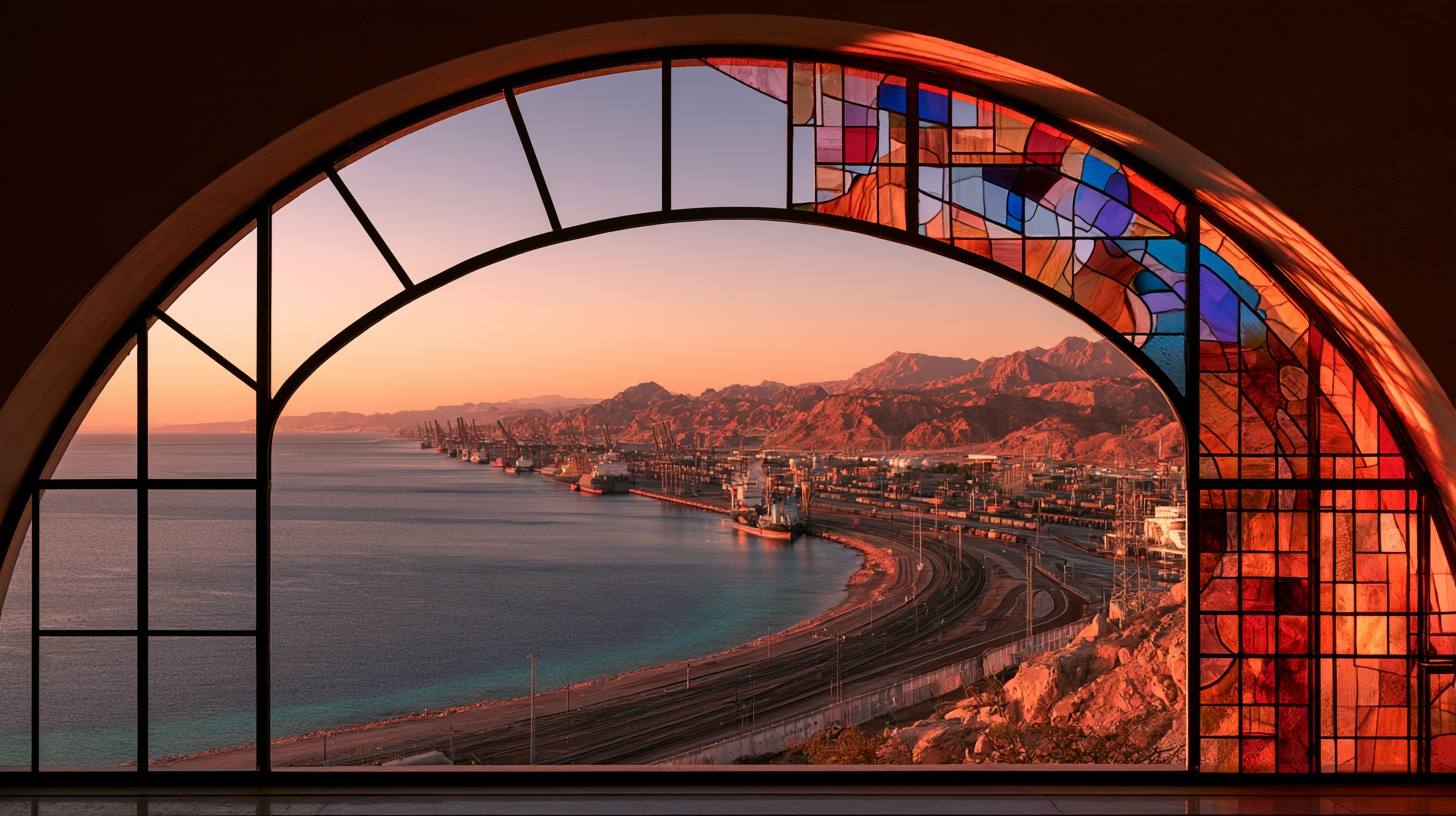
The sector guide invites partners to develop and run the dry ports and logistics plots in the development zones and the Aqaba Special Economic Zone, and the economic zone developers guideDownload the guide explains how warehouses, cold stores and rail sidings can be built on zone land and leased to tenants.
What can maritime and logistics companies in Jordan offer at Aqaba?
Maritime and logistics companies in Jordan can offer marine services, terminal operations and logistics at Aqaba. Pilotage, towage, mooring, bunkering, waste reception and ship supply can be tendered as long service concessions, in which a company invests in tugs, launches and equipment and earns regulated fees from every ship that calls.
Repair berths, simulators and maritime academies suit long concessions on public land, with revenue from many shipowners. The Jordan Maritime Commission, set up in 2002 and based in Aqaba, registers ships under the Jordanian flag and inspects ships calling at Aqaba, so a new marine concession joins a regulated sector with steady traffic.
Aqaba has carried Jordan’s trade for generations.
The sector guide names new industries the port can grow: automated terminals, clean fuel bunkering with green ammonia, methanol and liquefied gas, cold chains for Jordanian produce and medicines, and reconstruction logistics for Syria and Iraq. The operators and services category gathers the guides for the companies that run these assets.
How will AI, robotics and tokenization change the Port of Aqaba?
AI, robotics and tokenization will let the Port of Aqaba and the inland ports run as one system. AI can plan berths, cranes, trains and trucks together, automated cranes and yard trucks can work around the clock, and tokenized stakes can let investors share in each tonne and container a terminal handles.
A port community system would link shipping lines, terminals, customs, trucks and railways in Aqaba on one platform, sharing every booking and clearance in real time, and risk models could clear trusted cargo before it arrives. Remote-operated cranes can run from a control room while drones check quays and jetties. Orange Jordan has already built the country’s first private 5G network with Aqaba Container Terminal.
Tokenization also changes trade itself. Digital bills of lading and tokenized letters of credit let a cargo and its payment move together, cutting the days a container waits for paper in Aqaba. The $500 trillion opportunity sets out how tokenized PPPs could grow, and the Vision page shows where these technologies lead.
How can a company start a port project in Aqaba?
A company can start a port project in Aqaba through a tender, a direct proposal or a small-scale PPP. Article 15 of Jordan’s PPP Law No. 19 of 2023, in effect since November 13, 2023, lets any private company take its own PPP idea to the Ministry of Investment or a public authority.
Companies in logistics see where cargo waits and where storage is missing. Under Article 15 a company could propose a digital port community system for Aqaba, a truck park at a border crossing or a rail-to-truck transfer terminal in Ma’an, and keep the right to match the best offer at tender. The unsolicited proposals page sets out the route for each kind of organization.
Smaller projects can move faster. Regulation No. 9 of 2024 allows small-scale PPPs below about US$14.1 million, which suits cold stores, gates and inspection systems. A logistics research lab inside the Aqaba Development Corporation could run $100,000 pilots such as automated gate cameras at one terminal or a digital bill of lading trial on one shipping route. The small PPPs page explains the method.
$46B
of Jordan’s $86 billion of PPP and infrastructure projects are anchored in Aqaba, with ports and logistics at the center
The first steps are a mandate, a program lead, a map of the pipeline starting in Aqaba, partners and a first pilot. The starting guide explains PPPs from zero, the Aqaba guideDownload the guide covers the city’s own organizations, and the summary of all 96 guides brings the method together in one document.