· 8 min read
PPP in Jordan’s governorates: a program for each of the twelve, from Amman to Aqaba
What the twelve governorate guides say about each economy, its projects and its partners, and how every governorate can launch a PPP program.
PPP in Jordan’s governorates means that each of the twelve, from Irbid to Aqaba, can launch its own PPP program and give local organizations a place in the projects at home. In the eleven governorates outside Amman and in the capital alike, a program gives public bodies, companies and investors a dedicated team, a place in consortiums, small PPPs and direct proposals under Article 15 of PPP Law No. 19 of 2023. This post covers all twelve, drawn from our free public sector guides.
Why do Jordan’s governorates need their own PPP programs?
Jordan’s governorates need their own PPP programs because most local organizations have watched large projects from the outside. A program gives an organization a dedicated team and a set of offers, so it can prepare, bid, build, finance or operate the projects around it and own a share of what is built.
Irbid and Balqa have grown on public projects planned from the capital. The largest projects in Ajloun and Tafileh have mostly been decided and financed elsewhere. Amman and Aqaba have grown on large deals signed by a handful of organizations.
The projects of the next fifty years will be prepared, built and run by many organizations at once, and the ones that start their own programs now will own a share of the governorate they work in.
Organizations new to the subject can begin with the starting guide, and municipalities have their own Municipalities guidePDF.
What PPP projects are there in Jordan’s governorates, in and outside Amman?
Each of Jordan’s twelve governorates has its own mix of projects and partners, set out in its own free guide, and eleven of them lie outside Amman. Heritage and farming lead in some, energy and mining in others, while cities, industry and trade shape the rest, including the port of Aqaba.
Four governorates build on heritage, visitors and farms.
BalqaPDF holds Salt, a UNESCO World Heritage Site, the farms of the central Jordan Valley and the hotels of the Dead Sea coast. Its projects link heritage sites, irrigation, cold chains, water and roads, with hotels, farms, food processors, contractors, utilities and local investors as partners.
MadabaPDF holds the mosaic map in the Church of Saint George, Mount Nebo, Umm ar-Rasas and the Ma’in hot springs. Those sites and the Kings’ Highway depend on water, power and transport, and its partners include municipalities, hotels, tour operators, mosaic workshops, farms, contractors and local investors.
JerashPDF holds Gerasa, one of the best-preserved Roman cities in the world, an annual festival, olive groves and the Dibbeen forest. Visitor services and the Amman to Irbid road shape its projects, beside municipalities, hotels, tour operators, olive farms and presses, contractors and local investors.
AjlounPDF holds Ajloun Castle, the Ajloun Forest Reserve, a cable car and a growing eco-tourism trade. Nature lodges, forest care, olive processing, water and solar power link together, and municipalities, lodges, farmers, contractors, universities and local investors can join its consortiums.
Four governorates build on energy, mining and the highways.
MafraqPDF holds large solar plants, a development area, much of the Badia and the routes to Iraq and Syria, and it hosts Zaatari refugee camp. Solar power, storage, water and logistics parks link together there, with solar developers, logistics firms, contractors, farms, landowners and local investors as partners.
KarakPDF holds Karak Castle, the potash works on the southern Dead Sea, the cement plants at Qatraneh and Mutah University. The works and the highways depend on water, power, roads and housing, and its partners include municipalities, industrial suppliers, contractors, farms, hotels and local investors.
TafilehPDF holds wind farms, phosphate mines at Al-Hasa, the Dana Biosphere Reserve and a technical university. Its projects join wind and solar power, mining, water and visitor services, with municipalities, energy and mining firms, contractors, lodges, the university and local investors as partners.
Ma’anPDF holds Petra, the Ma’an Development Area, solar plants such as the 52.5 MW Shams Ma’an and the phosphate mines at Eshidiya. Those sites and the Desert Highway depend on water, power, roads and housing, and its partners include municipalities, solar and mining suppliers, contractors, hotels in Wadi Musa and local investors.
Four governorates build on cities, industry and trade.
AmmanPDF is Jordan’s capital, home to about four in ten Jordanians and to most ministries, banks, universities and company headquarters. Buses, roads, water networks, waste plants, housing and power shape its projects, with banks, contractors, engineering firms, operators, universities and local investors as partners.
ZarqaPDF lies about 20 km northeast of Amman, holds more than half of the capital invested in Jordan’s national industries and is home to Jordan’s only oil refinery. The industrial estates, the As-Samra wastewater plant and the bus link to Amman shape its projects, with factories, traders, contractors, utilities, universities and local investors as partners.
IrbidPDF is the largest city in the north, a university hub and home to the Irbid Development Area and the farms of the northern Jordan Valley. Water, irrigation, cold chains, food processing and power link together there, with universities, contractors, farms, food processors, utilities and local investors as partners.
AqabaPDF holds Jordan’s only port and its gateway to the Red Sea, a special economic zone and a growing coast of resorts. Terminals, dry ports, logistics parks, rail freight, water, power and green hydrogen and ammonia depend on each other, with port operators, logistics firms, contractors, hotels, utilities and local investors as partners.
What place can local organizations take in a Jordan governorate’s consortiums?
Local organizations in Jordan can join the consortiums that bid for their governorate’s projects, bringing the land, the operating knowledge and the local workforce that international partners need. A dedicated team follows each project from the first market sounding and decides early where the organization can prepare, bid, build, finance or operate.
Local organizations fit at each stage of a PPP.
- 01Preparation. Local data, land and needs shape projects the governorate can use and investors can finance.
- 02Tender. Local organizations take places in consortiums beside international developers, contractors and operators.
- 03Financial close. Equity, land contributions and local investors sit beside the banks and funds.
- 04Operation. Operators, service firms and a local workforce run the asset for decades.
- 05Exit. Local and regional investors can buy stakes, including tokenized notes.
How do small PPPs, direct proposals and a research lab work in Jordan’s governorates?
Organizations in Jordan’s governorates have three local routes into PPP. Small-scale PPPs below $14.1 million give a live asset and a reference, direct proposals under Article 15 bring a project built around a local need, and a research lab runs pilots on the organization’s own land and publishes every result.
Small PPPs rest on PPP Regulation No. 9 of 2024, which lets them be bundled into one feasibility report and one tender. A small concession in Karak also gives the organization a place in the larger projects that follow.
Direct proposals let an organization propose a project as its own, protect the ideas behind it and keep the right to match the best offer at tender. The guides give local examples: a cold store for valley farmers in Irbid, a truck stop on the Desert Highway in Ma’an and a solar plant for a town in Tafileh.
A PPP research lab lets pilots that work in one governorate become models for the rest of Jordan. Mafraq has open land, strong sun and real needs close together, and Aqaba is small enough to test an idea quickly and busy enough to prove it. The Municipalities guide sizes a city lab at ten small PPP projects a year, at up to $100,000 each.
What can AI, robotics and tokenization do at governorate scale in Jordan?
In Jordan’s governorates, AI, robotics and tokenization each fit the local economy first. AI plans the busiest local systems, robots inspect and operate the assets, and tokenization lets local people and companies own a share of nearby projects, paid from each asset’s own revenue, which keeps savings working at home.
AI can schedule irrigation across the northern Jordan Valley, forecast solar output in Ma’an and Mafraq, spot fire risk in Ajloun’s forests from drone images, plan berths and yard moves in Aqaba and route waste collection across Amman’s districts.
Robotics fits each site too. Panel-cleaning robots can raise the output of Mafraq’s solar plants, autonomous haul trucks can raise the output of Karak’s industrial sites, drones can inspect turbine blades in Tafileh and scanning robots can monitor the ruins of Gerasa. The organizations that run them will need Jordanian technicians trained locally.
Tokenization lets an organization offer stakes in an olive press in Ajloun, a heritage hotel in Balqa, a logistics yard in Zarqa or a terminal in Aqaba to local investors and pay them from the asset’s own revenue.
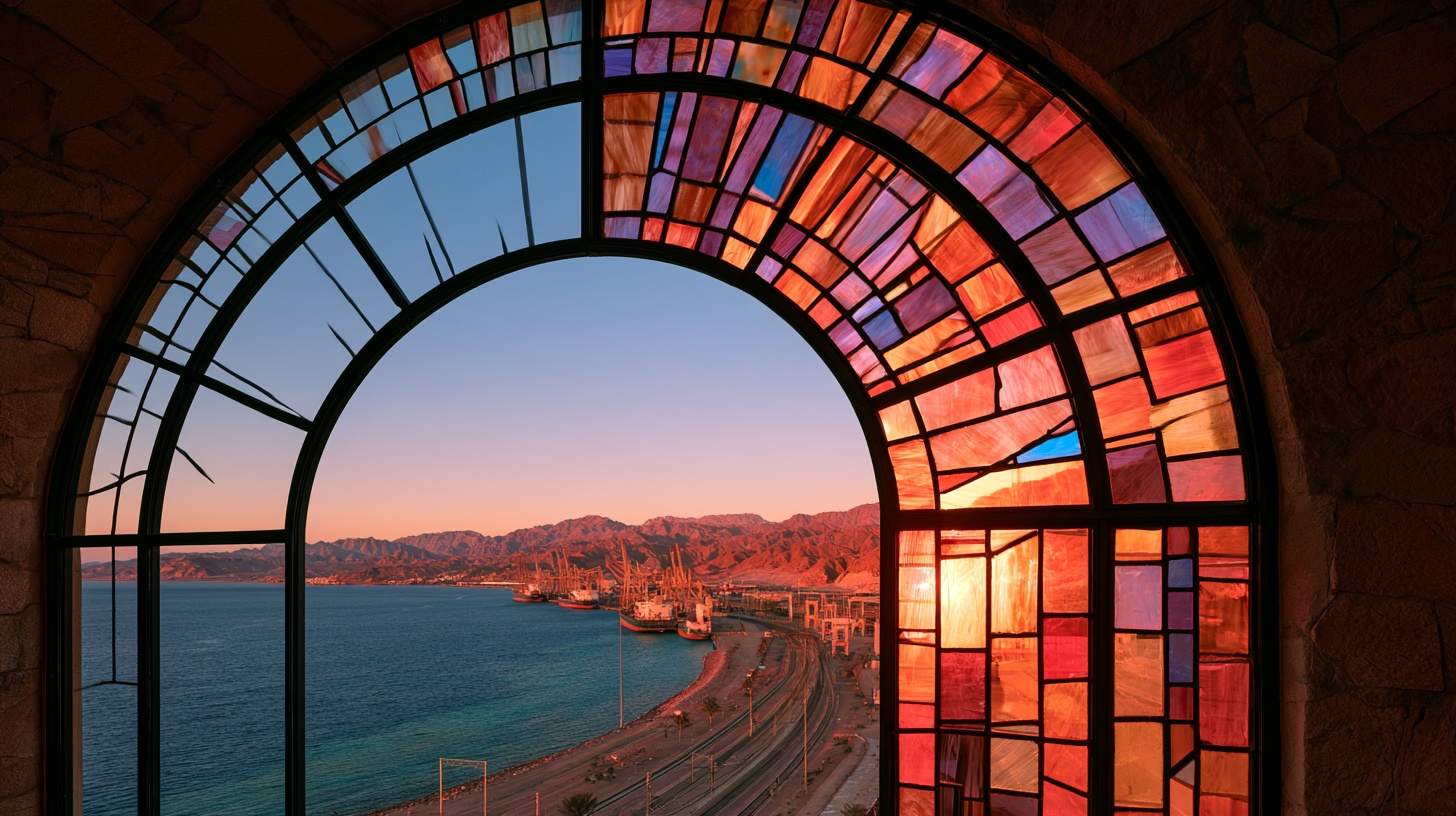
How do Jordan’s governorates connect to the $86 billion of projects and Aqaba’s $46 billion?
Jordan’s $86 billion of projects holds a share or a place for each governorate, with $46 billion anchored in Aqaba. An organization that delivers one PPP at home can carry the same team to Aqaba and to the next project across Jordan, as the guides for Zarqa, Madaba, Jerash, Karak and Ma’an set out.
$86B
of projects across Jordan, the pipeline each governorate’s program starts from.
$46B
of those projects anchored in Aqaba, home to Jordan’s only port.
Most of Zarqa’s share will need local partners to prepare, build and run it, and most of the projects will be built in or near a Jordanian city or town and rely on its streets, permits and services.
An organization can start with the guide for its own governorate, then read the opportunity and the summary.