· 7 min read
Defense manufacturing in Jordan: what a defense PPP can deliver and where it stops
What defense manufacturers and security institutions in Jordan can deliver through PPPs, what the country already has, and where the PPP stops.
A defense PPP in Jordan covers the long-term assets around defense manufacturing: factories and shared utilities, test ranges paid per use, maintenance centers paid for keeping fleets available, and protection and inspection of ports, power plants, water systems and pipelines supplied as a service. Defense and security institutions can use the same model for their civil estates, with housing, hospitals, training estates, depots and base utilities delivered under availability and performance contracts. Product sales stay outside the PPP, under procurement, licensing and export control rules. All of this connects to Jordan’s $86 billion of PPP and infrastructure projects, $46 billion of them anchored in Aqaba.
What is a defense PPP in Jordan?
A defense PPP in Jordan covers the facilities and services around production, along with the civil estates of defense and security institutions. A private partner finances, builds or runs a long-lived asset and earns tenant charges, user fees or availability payments. The Defense Manufacturers guidePDF and the Defense and Security Institutions guidePDF set out both routes.
The opening comes from a change in how the industry works. Defense equipment has long been designed to a government requirement and built in small numbers over many years. A new generation of companies invests its own capital, builds autonomous systems around software and produces them at scale in modern factories. Those factories, and the ranges that test their products, are long-term assets that suit long contracts. The starting guide explains how a PPP works from zero.
$86B
of PPP and infrastructure projects in development in Jordan, $46 billion of them anchored in Aqaba
How can PPPs support defense manufacturing in Jordan?
Defense manufacturing in Jordan can use PPPs for four kinds of asset and service: factories with shared utilities, test ranges paid per use, maintenance centers paid for keeping fleets available, and protection and inspection of infrastructure. Partners finance the factories and ranges, which frees company capital for products and production lines, and long service contracts add steady revenue.
- 01Factories and shared utilities. Defense plants share power, water, secure logistics and clean manufacturing space. New production halls and their utilities can be developed as PPPs with partners, so each tenant pays a known charge.
- 02Test ranges paid per use. Ranges for drones, counter-drone systems and electronics can be financed and run by a private partner. A shared facility stays open to other users, and every user pays a fee.
- 03Maintenance centers. Depots and workshops can be paid for keeping fleets available, with a contract that rewards uptime over the life of each machine.
- 04Protection and inspection as a service. Ports, power plants, water systems, pipelines and data centers need sensors, counter-drone cover and regular inspection. A company can supply these to each project company for the term of its concession, priced per site or per kilometer, within the security rules of Jordan.
Long service contracts sit next to defense orders that arrive in cycles, and each project becomes a reference for lenders and partners. Protection and inspection also give a manufacturer a civil market for the machines and software it already makes.
Defense plants belong to a wider industrial story. The manufacturing sector guide lists drones and autonomous systems among Jordan’s new industries, with airframes, motors and control systems used in farming, inspection, logistics and security. In 2026 the Ministry of Investment offered investors plants for chip packaging, circuit boards, batteries and drone components. The guide for manufacturersPDF shows how any industrial company can develop parks and shared utilities as PPPs.
What defense manufacturing does Jordan already have?
Jordan already has a base for defense manufacturing. It opened a defense industrial park in Mafraq in 2009 and a test site for drones, counter-drone systems and electronic warfare in 2022. Aqaba hosts the SOFEX defense exhibition every two years, and joint ventures have made vehicles and electronics in the Kingdom.
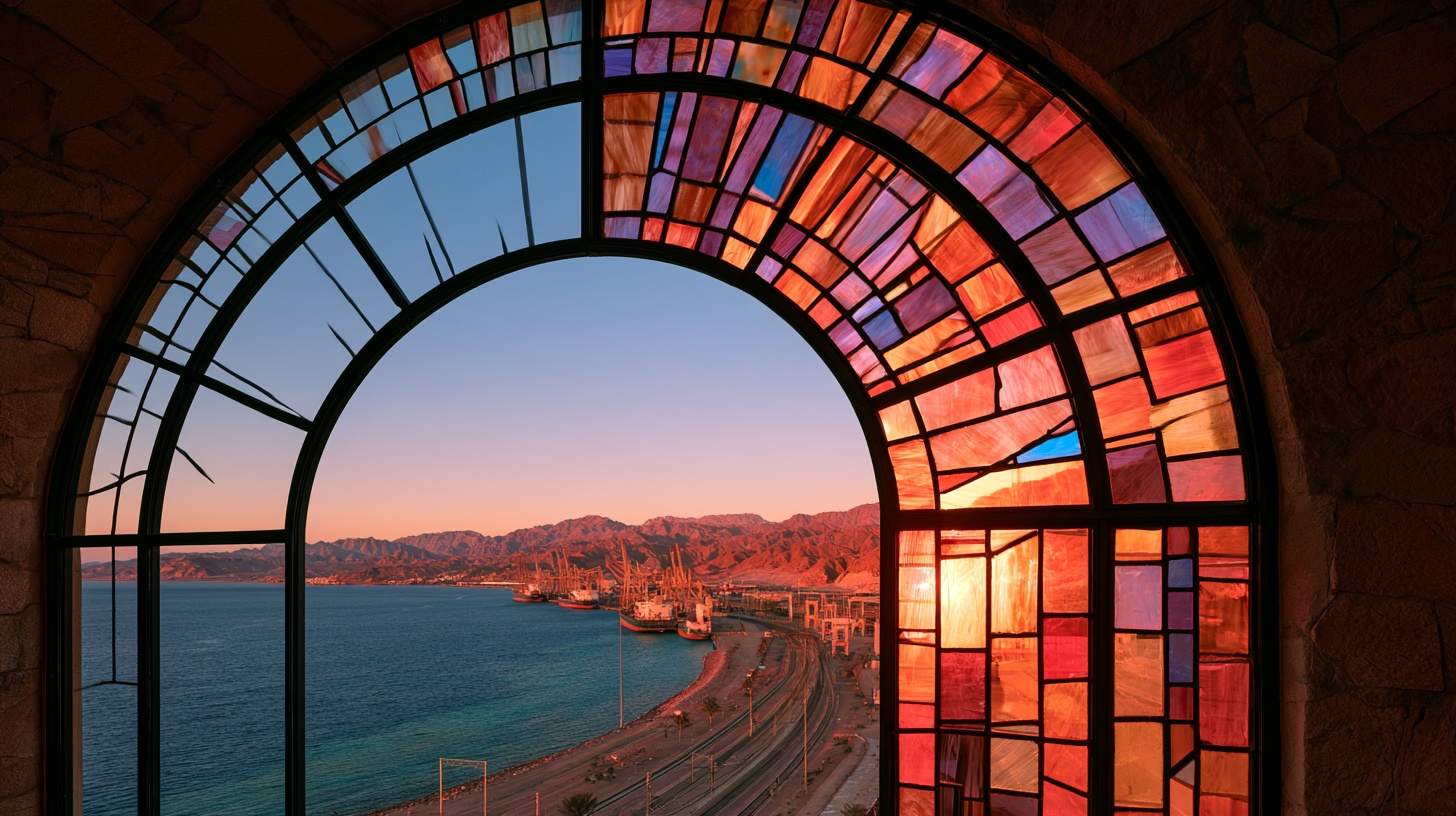
Autonomous systems are moving from prototypes to large-scale production, and Jordan has a PPP law and a pipeline that will need protecting. A Jordanian manufacturer that delivers one factory, range or protection contract at home can carry the same model to partners across the region.
What can defense and security institutions in Jordan do with their civil estates?
Defense and security institutions in Jordan can deliver homes, hospitals, training estates, depots and base utilities through private partners. Partners finance, build and maintain housing and hospitals under availability contracts, paid when each building is open and meets agreed standards. Many countries have delivered service housing, hospitals and training estates this way for years.
Bases, academies and depots can buy power, water and logistics services by performance, while partners finance and run the solar plants, water systems, warehouses and workshops behind them. Clear standards for security, access and service go into every bid and contract. At the end of the term, assets return to the institution in agreed condition or are refinanced by long-term funds.
Shared use widens the benefit. Hospitals, training grounds, power plants and water systems built for an institution can also serve nearby towns and civil services, which spreads the cost across more users and brings better services to the governorates where many service members and their families live. Partners who run energy, water and maintenance let the institution focus on its mission.
Where does a defense PPP in Jordan stop?
A defense PPP in Jordan stops at the product. A PPP covers the facilities and services around production, while defense product sales stay under procurement, licensing and export control rules in Jordan and each customer’s country. Every product line needs those approvals and end-use checks before it ships.
Finance follows the same line. A defense industrial park earns rent and utility charges from its tenants for decades, and a manufacturer can offer tokenized stakes in those civil assets to many investors. Stakes stay limited to buildings and utilities, with investors screened under the rules that apply to the sector.
A manufacturer’s program therefore includes compliance from the start: a review of the licences, export approvals and security clearances each offer needs, agreed with the authorities early.
How do AI and robotics fit into defense PPPs in Jordan?
AI and robotics in Jordan’s defense PPPs serve inspection, upkeep and production, with human control and clear accountability in every design. On a PPP, software can read sensor feeds across a port or a power plant, flag faults and plan the upkeep of a fleet, while uncrewed machines inspect pipelines, tanks, roofs and perimeters.
Human control and clear accountability belong in every design from its first day.
Uncrewed aircraft and ground vehicles do that inspection at lower risk to people, and robotic welding, assembly and testing let a plant build in larger numbers to the same standard every time. A manufacturer that makes machines this way can train young Jordanian engineers and technicians to build, run and repair them. The robotics page covers the wider shift.
Institutions can use the same tools on their estates. AI can track the condition of every building, vehicle and generator, forecast energy and water use at each base and schedule repairs before equipment fails, which helps an institution hold its PPP partners to their performance standards.
How does a defense PPP program start in Jordan, and where does Aqaba fit?
A defense PPP program in Jordan starts with a mandate, a named lead and a map of the $86 billion of projects, including the $46 billion anchored in Aqaba. A small-scale PPP or a direct proposal then takes a first project from idea to submission and, once delivered, gives the organization a reference for the next.
$46B
of Jordan’s PPP and infrastructure projects anchored in Aqaba
Aqaba shows the fit. The assets the manufacturers guide names are the kind it anchors: Jordan’s only port, and the National Water Carrier, which will bring 300 million m³ of water a year from Aqaba through a 450 km pipeline. Many projects in Jordan’s pipeline will need protection, inspection and machines that keep working in remote places.
Two routes suit a first project. Small PPPs under PPP Regulation No. 9 of 2024 sit below $14.1 million and can be bundled into one feasibility report and one tender, which fits a solar and water system for one base or a new clinic. Direct proposals under Article 15 of PPP Law No. 19 of 2023 let a company propose drone inspection of a pipeline, a shared test facility or a maintenance center for public fleets. An institution can invite proposals for its civil estate, such as family housing or a vehicle maintenance center, and review each one before it moves forward.